Nursing Path

CARING is the essence of NURSING. -Jean Watson

Nursing Path

Knowing is not enough, we must APPLY. Willing is not enough, we must DO. -Bruce Lee

Nursing Path

Treat the patient as a whole, not just the hole in the patient.

Nursing Path

Success is not final. Failure is not fatal. It is the courage to continue that counts. -Winston Churchill

Nursing Path

A problem is a chance for you to do your best. -Duke Ellington

atorvastatin calcium

Drug Name
Generic Name: atorvastatin calcium

Brand Name: Lipitor

Classification: Antihyperlipidemic, HMG-CoA reductase inhibitor

Pregnancy Category X

Dosage & Route
ADULTS

  • Initially, 10 mg PO once daily without regard to meals; for maintenance, 10–80 mg PO daily. May be combined with bile acid–binding resin.
PEDIATRIC PATIENTS 10–17 YR

  • Initially, 10 mg PO daily. Maximum, 20 mg/day; do not change dose of intervals < 4 wk.
Therapeutic actions
Inhibits HMG-CoA reductase, the enzyme that catalyzes the first step in the cholesterol synthesis pathway, resulting in a decrease in serum cholesterol, serum LDLs (associated with increased risk of CAD), and increases serum HDLs (associated with decreased risk of CAD); increases hepatic LDL recapture sites, enhances reuptake and catabolism of LDL; lowers triglyceride levels.
Indications
  • Adjunct to diet in treatment of elevated total cholesterol, serum triglycerides, and LDL cholesterol in patients with primary hypercholesterolemia (types IIa and IIb) and mixed dyslipidemia, primary dysbetalipoproteinemia, and homozygous familial hypercholesterolemia whose response to dietary restriction of saturated fat and cholesterol and other nonpharmacologic measures has not been adequate
  • To increase HDL-C in patients with primary hypercholesterolemia and mixed dyslipidemia
  • Adjunct to diet to treat elevated serum triglyceride levels
  • Adjunct to diet in treatment of boys and postmenarchal girls ages 10–17 with heterozygous familial cholesterolemia if diet alone is not adequate to control lipid levels and LDL-C levels are > 190 mg/dL or if LDL-C level is > 160 mg/dL and there is a family history of premature CV disease or the child has two or more risk factors for the development of coronary disease
  • Prevention of CV disease in adults without clinically evident coronary disease but with multiple risk factors for CAD such as age > 55 yr, smoking, hypertension, low HDL-C, family history of early CAD; to reduce the risk of MI and risk for revascularization procedures and angina
Adverse effects
  • CNS: Headache, asthenia
  • GI: Flatulence, abdominal pain, cramps, constipation, nausea, dyspepsia, heartburn, liver failure
  • Respiratory: Sinusitis, pharyngitis
  • Other: Rhabdomyolysis with acute renal failure, arthralgia, myalgia
Contraindications
  • Contraindicated with allergy to atorvastatin, fungal byproducts, active liver disease or unexplained and persistent elevations of transaminase levels, pregnancy, lactation.
  • Use cautiously with impaired endocrine function.
Nursing considerations
CLINICAL ALERT! Name confusion has been reported between written orders for Lipitor (atorvastatin) and Zyrtec (certirizine). Use extreme caution.
Assessment
  • History: Allergy to atorvastatin, fungal byproducts; active hepatic disease; acute serious illness; pregnancy, lactation
  • Physical: Orientation, affect, muscle strength; liver evaluation, abdominal examination; lipid studies, LFTs, renal function tests
Interventions
  • Obtain LFTs as a baseline and periodically during therapy; discontinue drug if AST or ALT levels increase to 3 times normal levels.
  • WARNING: Withhold atorvastatin in any acute, serious condition (severe infection, hypotension, major surgery, trauma, severe metabolic or endocrine disorder, seizures) that may suggest myopathy or serve as risk factor for development of renal failure.
  • Ensure that patient has tried cholesterol-lowering diet regimen for 3–6 mo before beginning therapy.
  • Administer drug without regard to food, but at same time each day.
  • Atorvastatin may be combined with a bile acid–binding agent. Do not combine with other HMG-CoA reductase inhibitors or fibrates.
  • Consult dietitian about low-cholesterol diets.
  • WARNING: Ensure that patient is not pregnant and has appropriate contraceptives available during therapy; serious fetal damage has been associated with this drug.
Teaching points
  • Take this drug once a day, at about the same time each day, preferably in the evening; may be taken with food. Do not drink grapefruit juice while taking this drug.
  • Institute appropriate dietary changes.
  • Arrange to have periodic blood tests while you are taking this drug.
  • Alert any health care provider that you are on this drug; it will need to be discontinued if acute injury or illness occurs.
  • Do not become pregnant while you are on this drug; use barrier contraceptives. If you wish to become pregnant or think you are pregnant, consult your health care provider.
  • You may experience these side effects: Nausea (eat frequent small meals); headache, muscle and joint aches and pains (may lessen over time).
  • Report muscle pain, weakness, tenderness; malaise; fever; changes in color of urine or stool; swelling.

atomoxetine hcl

Atomoxetine hydrochloride or Strattera is a selective norepinephrine reuptake inhibitor used for treatment of ADHD as part of a total treatment program.
Generic Names & Brand Names
atomoxetine hydrochloride
(at oh mox ah teen)
Strattera
Pregnancy Category C
Drug class
Selective norepinephrine reuptake inhibitor
Therapeutic actions
Selectively blocks the reuptake of norepinephrine at the neuronal synapse. The mechanism by which this action has a therapeutic effect in attention deficit hyperactivity disorder (ADHD) is not understood.
Indication
  • Treatment of ADHD as part of a total treatment program
Contraindications and cautions
  • Contraindicated with hypersensitivity to atomoxetine or constituents of Strattera; use of MAOIs within the past 14 days; narrow-angle glaucoma
  • Use cautiously with hypertension, tachycardia, CV or cerebrovascular disease, pregnancy, lactation
Pharmacokinetics
RouteOnsetPeak
OralRapid1–2 hr
Metabolism: Hepatic; T1/2: 5 hr
Distribution: May cross placenta; may enter breast milk
Excretion: Urine and feces
Available forms
Capsules—10, 18, 25, 40, 60 mg
Dosages
ADULTS AND CHILDREN > 70 KG
40 mg/day PO, increase after a minimum of 3 days to a target total daily dose of 80 mg PO given as a single dose in the morning or two evenly divided doses, in the morning and late afternoon or early evening; after 2–4 wk, total dosage may be increase to a maximum of 100 mg/day if needed.
PEDIATRIC PATIENTS < 70 KG
Initially, 0.5 mg/kg/day PO, increase after a minimum of 3 days to a target total daily dose of approximately 1.2 mg/kg/day PO as a single daily dose in the morning; may be given in two evenly divided doses in the morning and late afternoon or early evening. Do not exceed 1.4 mg/kg or 100 mg/day, whichever is less.
PATIENTS WITH HEPATIC IMPAIRMENT
For moderate hepatic impairment, reduce dose to 50% of the normal dose; for severe hepatic impairment, reduce dose to 25% of the normal dose.
Adverse effects
  • CNS: Aggression, irritability, crying, somnolence, dizziness, headache, mood swings, insomnia
  • CV: Palpitations
  • Dermatologic: Dermatitis, increased sweating
  • GIDry mouth, nausea, dyspepsia, flatulence, decreased appetite, constipation, upper abdominal pain, vomiting
  • GU: Urinary hesitation, urinary retention, dysmenorrhea, erectile problems
  • Respiratory: Cough, rhinorrhea, sinusitis
  • Other: Fever, rigors, sinusitis, weight loss, myalgia
Interactions
Drug-drug
  • Possible increased serum levels if combined with potent CYP2D6 inhibitors—paroxetine, fluoxetine, quinidine; monitor and adjust dosage of atomoxetine to 0.5 mg/kg/day with a target dose of 1.2 mg/kg/day for children < 70 kg or 40 mg/day with a target dose of 80 mg/day for children > 70 kg or adults
  • Risk of neuroleptic malignant syndrome if combined with MAOIs; do not combine with an MAOI and do not give atomoxetine within 14 days of using an MAOI
Nursing considerations
Assessment
  • History: Hypersensitivity to atomoxetine or constituents of Strattera; use of MAOIs within the past 14 days; narrow-angle glaucoma, hypertension, tachycardia, CV or cerebrovascular disease, pregnancy, lactation
  • Physical: Height, weight, T; skin color, lesions; orientation, affect; P, BP, auscultation; R, adventitious sounds; bowel sounds, normal output
Interventions
  • Ensure proper diagnosis before administering to children for behavioral syndromes: drug should not be used until other causes and concomitants of abnormal behavior (learning disability, EEG abnormalities,neurological deficits) are ruled out.
  • Ensure that drug is being used as part of an overall treatment program including education and psychosocial interventions.
  • Arrange to interrupt drug dosage periodically in children being treated for behavioral disorders to determine if symptoms recur at an intensity that warrants continued drug therapy.
  • Monitor growth of children on long-term atomoxetine therapy.
  • Administer drug before 6 PM to prevent insomnia if that is a problem.
  • Monitor BP early in treatment, particularly with adult patients.
  • Arrange for consult with school nurse of school-age patients receiving this drug.
  • For women of childbearing age who are using this drug, suggest using contraceptives.
Teaching points
  • Take this drug exactly as prescribed. It can be taken once a day in the morning, if adverse effects are a problem, the drug can be taken in two evenly divided doses in the morning and in the late afternoon or early evening.
  • Take drug before 6 PM to avoid night-time sleep disturbance.
  • Avoid the use of alcohol and OTC drugs, including nose drops, cold remedies, and herbal therapies while taking this drug; some of these products cause dangerous effects. If you feel that you need one of these preparations, consult your health care provider.
  • The effects of this drug on the unborn baby are not known. Women of childbearing age are advised to use contraceptives.
  • You may experience these side effects: Dizziness, insomnia, moodiness (these effects may become less pronounced after a few days; avoid driving a car or engaging in activities that require alertness if these occur; notify your health care provider if these are pronounced or bothersome); headache (analgesics may be available to help), loss of appetite, dry mouth (eat frequent small meals and suck on sugarless lozenges).
  • Report palpitations, dizziness, weight loss, severe dry mouth and difficulty swallowing, pregnancy.

atenolol

Drug Name
Generic Name: atenolol

Brand Name: Apo-Atenolol (CAN), Gen-Atenolol (CAN), Novo-Atenol (CAN), Tenormin
Classification: Beta1-selective adrenergic blocker, Antianginal, Antihypertensive
Pregnancy Category D
Dosage & Route
  • Available forms: Tablets—25, 50, 100 mg; injection—5 mg/10 mL
ADULTS

  • Hypertension: Initially, 50 mg PO once a day; after 1–2 wk, dose may be increased to 100 mg/day.
  • Angina pectoris: Initially, 50 mg PO daily. If optimal response is not achieved in 1 wk, increase to 100 mg daily; up to 200 mg/day may be needed.
  • Acute MI: Initially, 5 mg IV given over 5 min as soon as possible after diagnosis; follow with IV injection of 5 mg 10 min later. Switch to 50 mg PO 10 min after the last IV dose; follow with 50 mg PO 12 hr later. Thereafter, administer 100 mg PO daily or 50 mg PO bid for 6–9 days or until discharge from the hospital.
PEDIATRIC PATIENTS

  • Safety and efficacy not established.
Therapeutic actions
  • Blocks beta-adrenergic receptors of the sympathetic nervous system in the heart and juxtaglomerular apparatus (kidney), thus decreasing the excitability of the heart, decreasing cardiac output and oxygen consumption, decreasing the release of renin from the kidney, and lowering BP.
Indications
  • Treatment of angina pectoris due to coronary atherosclerosis
  • Hypertension, as a step 1 agent, alone or with other drugs, especially diuretics
  • Treatment of MI
  • Unlabeled uses: Prevention of migraine headaches; alcohol withdrawal syndrome, treatment of ventricular and supraventricular arrhythmias
Adverse effects
  • Allergic reactions: Pharyngitis, erythematous rash, fever, sore throat, laryngospasm, respiratory distress
  • CNS: Dizziness, vertigo, tinnitus, fatigue, emotional depression, paresthesias, sleep disturbances, hallucinations, disorientation, memory loss, slurred speech
  • CV: Bradycardia, CHF, cardiac arrhythmias, sinoatrial or AV nodal block, tachycardia, peripheral vascular insufficiency, claudication, CVA, pulmonary edema, hypotension
  • Dermatologic: Rash, pruritus, sweating, dry skin
  • EENT: Eye irritation, dry eyes, conjunctivitis, blurred vision
  • GI: Gastric pain, flatulence, constipation, diarrhea, nausea, vomiting, anorexia, ischemic colitis, renal and mesenteric arterial thrombosis, retroperitoneal fibrosis, hepatomegaly, acute pancreatitis
  • GU: Impotence, decreased libido, Peyronie’s disease, dysuria, nocturia, frequent urination
  • Musculoskeletal: Joint pain, arthralgia, muscle cramps
  • Respiratory: Bronchospasm, dyspnea, cough, bronchial obstruction, nasal stuffiness, rhinitis, pharyngitis (less likely than with propranolol)
  • Other: Decreased exercise tolerance, development of antinuclear antibodies, hyperglycemia or hypoglycemia, elevated serum transaminase, alkaline phosphatase, and LDH
Contraindications
  • Contraindicated with sinus bradycardia, second- or third-degree heart block, cardiogenic shock, CHF, pregnancy.
  • Use cautiously with renal failure, diabetes or thyrotoxicosis (atenolol can mask the usual cardiac signs of hypoglycemia and thyrotoxicosis), lactation, respiratory disease.
Nursing considerations
Assessment
  • History: Sinus bradycardia, second- or third-degree heart block, cardiogenic shock, CHF, renal failure, diabetes or thyrotoxicosis, lactation, pregnancy
  • Physical: Baseline weight, skin condition, neurologic status, P, BP, ECG, respiratory status, renal and thyroid function tests, blood and urine glucose, cholesterol, triglycerides
Interventions
  • WARNING: Do not discontinue drug abruptly after long-term therapy (hypersensitivity to catecholamines may have developed, causing exacerbation of angina, MI, and ventricular arrhythmias). Taper drug gradually over 2 wk with monitoring.
  • Consult physician about withdrawing drug if patient is to undergo surgery (withdrawal is controversial).
Teaching points
  • Take drug with meals if GI upset occurs.
  • Do not stop taking this drug unless told to do so by a health care provider.
  • Avoid driving or dangerous activities if dizziness or weakness occurs.
  • You may experience these side effects: Dizziness, light-headedness, loss of appetite, nightmares, depression, sexual impotence.
  • Report difficulty breathing, night cough, swelling of extremities, slow pulse, confusion, depression, rash, fever, sore throat.

aspirin

Drug Name
Generic Name: aspirin Brand Name:Apo-ASA (CAN), Aspergum, Bayer, Easprin, Ecotrin, Empirin, Entrophen (CAN), Genprin, Halfprin 81, 1/2 Halfprin, Heartline, Norwich, Novasen (CAN), PMS-ASA (CAN), ZORprin, Alka-Seltzer, Ascriptin, Asprimox, Bufferin, Buffex, Magnaprin

Classification: Antipyretic, Analgesic (nonopioid), Anti-inflammatory, Antirheumatic, Antiplatelet, Salicylate, NSAID

Pregnancy Category D

Dosage & Route
  • Available in oral and suppository forms. Also available as chewable tablets, gum; enteric coated, SR, and buffered preparations (SR aspirin is not recommended for antipyresis, short-term analgesia, or children < 12 yr.)
ADULTS

  • Minor aches and pains: 325–650 mg q 4 hr.
  • Arthritis and rheumatic conditions: 3.2–6 g/day in divided doses.
  • Acute rheumatic fever: 5–8 g/day; modify to maintain serum salicylate level of 15–30 mg/dL.
  • TIAs in men:1,300 mg/day in divided doses (650 mg bid or 325 mg qid).
  • MI prophylaxis: 75–325 mg/day.
PEDIATRIC PATIENTS

  • Analgesic and antipyretic: 65 mg/kg per 24 hr in four to six divided doses, not to exceed 3.6 g/day. Dosage recommendations by age:
 Age (yr) Dosage(mg q 4 hr)
 2–3 162
 4–5 243
 6–8 324
 9–10 405
 11 486
 ³ 12 648
  • Juvenile rheumatoid arthritis: 60–110 mg/kg per 24 hr in divided doses at 6- to 8-hr intervals. Maintain a serum level of 150–300 mcg/mL.
  • Acute rheumatic fever: Initially, 100 mg/kg/day, then decrease to 75 mg/kg/day for 4–6 wk. Therapeutic serum salicylate level is 150–300 mg/dL.
  • Kawasaki disease: 80–180 mg/kg/day; very high doses may be needed during acute febrile period; after fever resolves, dosage may be adjusted to 10 mg/kg/day.
Therapeutic actions
  • Analgesic and antirheumatic effects are attributable to aspirin’s ability to inhibit the synthesis of prostaglandins, important mediators of inflammation. Antipyretic effects are not fully understood, but aspirin probably acts in the thermoregulatory center of the hypothalamus to block effects of endogenous pyrogen by inhibiting synthesis of the prostaglandin intermediary. Inhibition of platelet aggregation is attributable to the inhibition of platelet synthesis of thromboxane A2, a potent vasoconstrictor and inducer of platelet aggregation. This effect occurs at low doses and lasts for the life of the platelet (8 days). Higher doses inhibit the synthesis of prostacyclin, a potent vasodilator and inhibitor of platelet aggregation.
Indications
  • Mild to moderate pain
  • Fever
  • Inflammatory conditions—rheumatic fever, rheumatoid arthritis, osteoarthritis
  • Reduction of risk of recurrent TIAs or stroke in males with history of TIA due to fibrin platelet emboli
  • Reduction of risk of death or nonfatal MI in patients with history of infarction or unstable angina pectoris
  • MI prophylaxis
  • Unlabeled use: Prophylaxis against cataract formation with long-term use
Adverse effects
  • Acute aspirin toxicity: Respiratory alkalosis, hyperpnea, tachypnea, hemorrhage, excitement, confusion, asterixis, pulmonary edema, seizures, tetany, metabolic acidosis, fever, coma, CV collapse, renal and respiratory failure (dose related, 20–25 g in adults, 4 g in children)
  • Aspirin intolerance: Exacerbation of bronchospasm, rhinitis (with nasal polyps, asthma, rhinitis)
  • GI: Nausea, dyspepsia, heartburn, epigastric discomfort, anorexia, hepatotoxicity
  • Hematologic: Occult blood loss, hemostatic defects
  • Hypersensitivity: Anaphylactoid reactions to anaphylactic shock
  • Salicylism: Dizziness, tinnitus, difficulty hearing, nausea, vomiting, diarrhea, mental confusion, lassitude (dose related)
Contraindications
  • Contraindicated with allergy to salicylates or NSAIDs (more common with nasal polyps, asthma, chronic urticaria); allergy to tartrazine (cross-sensitivity to aspirin is common); hemophilia, bleeding ulcers, hemorrhagic states, blood coagulation defects, hypoprothrombinemia, vitamin K deficiency (increased risk of bleeding)
  • Use cautiously with impaired renal function; chickenpox, influenza (risk of Reye’s syndrome in children and teenagers); children with fever accompanied by dehydration; surgery scheduled within 1 wk; pregnancy (maternal anemia, antepartal and postpartal hemorrhage, prolonged gestation, and prolonged labor have been reported; readily crosses the placenta; possibly teratogenic; maternal ingestion of aspirin during late pregnancy has been associated with the following adverse fetal effects: low birth weight, increased intracranial hemorrhage, stillbirths, neonatal death); lactation.
Nursing considerations
Assessment
  • History: Allergy to salicylates or NSAIDs; allergy to tartrazine; hemophilia, bleeding ulcers, hemorrhagic states, blood coagulation defects, hypoprothrombinemia, vitamin K deficiency; impaired hepatic function; impaired renal function; chickenpox, influenza; children with fever accompanied by dehydration; surgery scheduled within 1 wk; pregnancy; lactation
  • Physical: Skin color, lesions; T; eighth cranial nerve function, orientation, reflexes, affect; P, BP, perfusion; R, adventitious sounds; liver evaluation, bowel sounds; CBC, clotting times, urinalysis, stool guaiac, LFTs, renal function tests
Interventions
  • BLACK BOX WARNING: Do not use in children and teenagers to treat chickenpox or flu symptoms without review for Reye’s syndrome, a rare but fatal disorder.
  • Give drug with food or after meals if GI upset occurs.
  • Give drug with full glass of water to reduce risk of tablet or capsule lodging in the esophagus.
  • Do not crush, and ensure that patient does not chew SR preparations.
  • Do not use aspirin that has a strong vinegar-like odor.
  • WARNING: Institute emergency procedures if overdose occurs: Gastric lavage, induction of emesis, activated charcoal, supportive therapy.
Teaching points
  • Take extra precautions to keep this drug out of the reach of children; this drug can be very dangerous for children.
  • Use the drug only as suggested; avoid overdose. Avoid the use of other over-the-counter drugs while taking this drug. Many of these drugs contain aspirin, and serious overdose can occur.
  • Take the drug with food or after meals if GI upset occurs.
  • Do not cut, crush, or chew sustained-release products.
  • Over-the-counter aspirins are equivalent. Price does not reflect effectiveness.
  • You may experience these side effects: Nausea, GI upset, heartburn (take drug with food); easy bruising, gum bleeding (related to aspirin’s effects on blood clotting).
  • Report ringing in the ears; dizziness, confusion; abdominal pain; rapid or difficult breathing; nausea, vomiting, bloody stools.

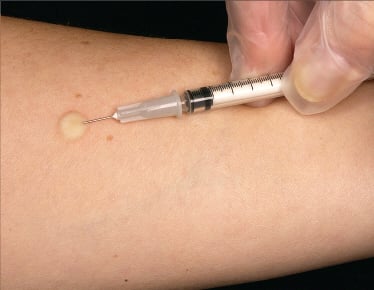
Intradermal Injection (Test for Drug Sensitivity)

Purpose:
To introduce drugs, bacteria or their toxins and other organic preparations to test whether the body is sensitive to the preparation to be injected.
Site of Injection:
Inner aspect of forearm or upper arm
Points to Remember:
Intradermal Injection (Test for Drug Sensitivity)
  1. A positive test consists of a wheal formation with redness which appears in 10-15 minutes.
  2. Precaution in all patients being injected with penicillin for the first or second time even if the sensitivity test is negative.
  3. Watch patient for at least 30 minutes after the injection for signs of reaction. At all times the following must be available for emergency treatment of penicillin anaphylaxis or generalized reactions:
    • Epinephrine Hcl 1:10 00 for immediate IM
    • I.V. antihistaminics
    • 50/0 Dextrose in Water 1 liter and venosel.
Equipment:
  • Hype tray:
  • Alcohol sponge
  • Sterile tuberculin syringe
  • 2 sterile needles gauge 25-27
  • Drug to be tested diluted to the strength which will be injected to the patient
Procedure:
  1. Prepare the drug in the same manner as for hypodermic injection.
  2. Explain to the patient. Make him comfortable. Support forearm on a firm surface.
  3. Cleanse the skin area about 3 inches (diameter) on the inner aspect of the forearm midway between the wrist, and the elbow with alcohol sponge. (Preferably swab with other, and allow to dry.)
  4. Insert the needle, into the skin as superficially as possible by the needle only as far as the level edge to be sure that the injection is intradermal.
  5. Inject the solution enough to make a wheal or circumscribed elevation of the skin. Inject no more than 0.1 cc.
  6. Withdraw the needle gently, do not press. Do not cleanse or massage site of injection.
  7. Wait for 10-15 minutes. Evaluate results.
Charting:
Record drug, time injected, reaction observed, and usually by whom it was evaluated.

ampicillin

Drug Name
Generic Name: ampicillin, ampicillin sodium

Brand Name:  Ampicin (CAN), Apo-Ampi (CAN), Novo-Ampicillin (CAN), Nu-Ampi (CAN), Penbritin (CAN), Principen
Classification: Antibiotic, Penicillin
Pregnancy Category B
Dosage & route
  • Maximum recommended dosage, 8–14 g/day (reserve 14 g for serious infections, such as meningitis, septicemia); may be given IV, IM, or PO. Use parenteral routes for severe infections; switch to oral route as soon as possible.
ADULTS

  • Prevention of bacterial endocarditis for GI or GU surgery or instrumentation: 2 g ampicillin IM or IV with gentamicin 1.5 mg/kg IM or IV within 30 minutes of starting procedure. Six hours later, give 1 g ampicillin IM or IV or 1 g amoxicillin PO.
  • Prevention of bacterial endocarditis for dental, oral, or upper respiratory procedures: 2 g ampicillin IM or IV within 30 minutes of procedure.
  • STDs in pregnant women and patients allergic to tetracycline: 3.5 g ampicillin PO with 1 g probenecid.
  • Prophylaxis in cesarean section: Single IV or IM dose of 25–100 mg/kg immediately after cord is clamped.
ADULTS AND PEDIATRIC PATIENTS

  • Respiratory and soft-tissue infections:
    • > 40 kg: 250–500 mg IV or IM q 6 hr.
    • < 40 kg: 25–50 mg/kg/day IM or IV in equally divided doses at 6–8 hr intervals.
    • > 20 kg: 250 mg PO q 6 hr.
    • < 20 kg: 50 mg/kg/day PO in equally divided doses q 6–8 hr.
  • GI and GU infections, including women with N. gonorrhoeae:
    • > 40 kg: 500 mg IM or IV q 6 hr.
    • < 40 kg: 50–100 mg/kg/day IM or IV in equally divided doses q 6–8 hr.
    • > 20 kg: 500 mg PO q 6 hr.
    • < 20 kg: 100 mg/kg/day PO in equally divided doses q 6–8 hr.
  • Gonococcal infections: 500 mg q 6 hr for penicillin-sensitive organism or for patients > 45 kg, single dose of 3.5 g PO with 1 g probenecid.
  • Bacterial meningitis: 150–200 mg/kg/day by continuous IV drip and then IM injections in equally divided doses q 3–4 hr.
  • Septicemia: 150–200 mg/kg/day IV for at least 3 days, then IM q 3–4 hr.
PEDIATRIC PATIENTS

  • Prevention of bacterial endocarditis for GI or GU surgery or instrumentation: 50 mg/kg ampicillin IM or IV with 1.5 mg/kg gentamicin IM or IV within 30 minutes of procedure. Six hours later give 25 mg/kg ampicillin IM or IV or 25 mg/kg amoxicillin PO.
  • Prevention of bacterial endocarditis for dental, oral, or upper respiratory procedures: 50 mg/kg ampicillin IM or IV within 30 minutes of procedure.
Therapeutic actions
  • Bactericidal action against sensitive organisms; inhibits synthesis of bacterial cell wall, causing cell death.
Indications
  • Treatment of infections caused by susceptible strains of Shigella, Salmonella, Escherichia coli, Haemophilus influenzae, Proteus mirabilis, Neisseria gonorrhoeae, enterococci, gram-positive organisms (penicillin G–sensitive staphylococci, streptococci, pneumococci)
  • Meningitis caused by Neisseria meningitidis
  • Unlabeled use: Prophylaxis in cesarean section in certain high-risk patients
Adverse effects
  • CNS: Lethargy, hallucinations, seizures
  • CV: CHF
  • GI: Glossitis, stomatitis, gastritis, sore mouth, furry tongue, black “hairy” tongue, nausea, vomiting, diarrhea, abdominal pain, bloody diarrhea, enterocolitis, pseudomembranous colitis, nonspecific hepatitis
  • GU: Nephritis
  • Hematologic: Anemia, thrombocytopenia, leukopenia, neutropenia, prolonged bleeding time
  • Hypersensitivity: Rash, fever, wheezing, anaphylaxis
  • Local: Pain, phlebitis, thrombosis at injection site (parenteral)
  • Other: Superinfections—oral and rectal moniliasis, vaginitis
Contraindications and cautions
  • Contraindicated with allergies to penicillins, cephalosporins, or other allergens.
  • Use cautiously with renal disorders.
Nursing considerations
Assessment
  • History: Allergies to penicillins, cephalosporins, or other allergens; renal disorders; lactation
  • Physical: Culture infected area; skin color, lesion; R, adventitious sounds; bowel sounds; CBC, LFTs, renal function tests, serum electrolytes, Hct, urinalysis
Interventions
  • Culture infected area before treatment; reculture area if response is not as expected.
  • Check IV site carefully for signs of thrombosis or drug reaction.
  • Do not give IM injections in the same site; atrophy can occur. Monitor injection sites.
  • Administer oral drug on an empty stomach, 1 hr before or 2 hr after meals with a full glass of water; do not give with fruit juice or soft drinks.
Teaching points
  • Take this drug around-the-clock.
  • Take the full course of therapy; do not stop taking the drug if you feel better.
  • Take the oral drug on an empty stomach, 1 hour before or 2 hours after meals; do not take with fruit juice or soft drinks; the oral solution is stable for 7 days at room temperature or 14 days refrigerated.
  • This antibiotic is specific to your problem and should not be used to self-treat other infections.
  • You may experience these side effects: Nausea, vomiting, GI upset (eat frequent small meals), diarrhea.
  • Report pain or discomfort at sites, unusual bleeding or bruising, mouth sores, rash, hives, fever, itching, severe diarrhea, difficulty breathing.

amoxicillin trihydrate

Drug Name
Generic Name:  amoxicillin trihydrate

Brand Name: Amoxil, Amoxil Pediatric Drops, Apo-Amoxi (CAN), DisperMox, Novamoxin (CAN),

Classification: Antibiotic (penicillin–ampicillin type)

Pregnancy Category B

Nu-Amoxi (CAN), Trimox
Dosage & route
ADULTS AND PEDIATRIC PATIENTS > 40 KG

  • URIs, GU infections, skin and soft-tissue infections: 250–500 mg PO q 8 hr or 875 mg PO bid.
  • Postexposure anthrax prophylaxis: 500 mg PO tid.
  • Lower respiratory infections: 500 mg PO q 8 hr or 875 mg PO bid.
  • Uncomplicated gonococcal infections: 3 g amoxicillin with 1 g probenecid PO.
  • C. trachomatis in pregnancy: 500 mg PO tid for 7 days or 875 mg PO bid.
  • Prevention of SBE in dental, oral, or upper respiratory procedures: 2 g 1 hr before procedure.
  • Prevention of SBE in GI or GU procedures: 2 g ampicillin plus 1.5 mg/kg gentamicin IM or IV 30 min before procedure, followed by 1 g amoxicillin; for low-risk patients, 2 g 1 hr before procedure.
  • H. pylori infections: 1 g bid with clarithromycin 500 mg bid and lansoprazole 30 mg bid for 14 days.
PEDIATRIC PATIENTS < 40 KG
  • URIs, GU infections, skin, and soft-tissue infections: 20–40 mg/kg/day PO in divided doses q 8 hr.
  • Post-exposure anthrax prophylaxis: 80 mg/kg/day PO divided into 3 doses.
  • Prevention of SBE in dental, oral, or upper respiratory procedures: 50 mg/kg 1 hr before procedure.
  • Prevention of SBE in GI or GU procedures: 50 mg/kg ampicillin plus 2 mg/kg gentamicin IM or IV 30 min before procedure followed by 25 mg/kg amoxicillin. For moderate-risk patients, 50 mg/kg PO 1 hr before procedure.
PEDIATRIC PATIENTS > 3 MO

  • Mild to moderate URIs, GU infections, and skin infections: 20 mg/kg daily in divided doses q 8 hr or 25 mg/kg in divided doses q 12 hr.
  • For lower respiratory infections, or severe URIs, GU, or skin infections: 40 mg/kg daily in divided doses q 8 hr or 45 mg/kg daily in divided doses q 12 hr.
PEDIATRIC PATIENTS < 12 WK

  • Up to 30 mg/kg daily in divided doses q 12 hr.
Therapeutic actions
  • Bactericidal: Inhibits synthesis of cell wall of sensitive organisms, causing cell death.
Indications
  • Infections due to susceptible strains of Haemophilus influenzae, Escherichia coli, Proteus mirabilis, Neisseria gonorrhoeae, Streptococcus pneumoniae, Enterococcus faecalis, streptococci, non–penicillinase-producing staphylococci
  • Helicobacter pylori infection in combination with other agents
  • Postexposure prophylaxis against Bacillus anthracis
  • Unlabeled use: Chlamydia trachomatis in pregnancy
Adverse effects
  • CNS: Lethargy, hallucinations, seizures
  • GI: Glossitis, stomatitis, gastritis, sore mouth, furry tongue, black “hairy” tongue, nausea, vomiting, diarrhea, abdominal pain, bloody diarrhea, enterocolitis, pseudomembranous colitis, nonspecific hepatitis
  • GU: Nephritis
  • Hematologic: Anemia, thrombocytopenia, leukopenia, neutropenia, prolonged bleeding time
  • Hypersensitivity: Rash, fever, wheezing, anaphylaxis
  • Other: Superinfections—oral and rectal moniliasis, vaginitis
Contraindications
  • Contraindicated with allergies to penicillins, cephalosporins, or other allergens.
  • Use cautiously with renal disorders, lactation.
Nursing considerations
Assessment
  • History: Allergies to penicillins, cephalosporins, or other allergens; renal disorders; lactation
  • Physical: Culture infected area; skin color, lesion; R, adventitious sounds; bowel sounds; CBC, LFTs, renal function tests, serum electrolytes, Hct, urinalysis
Interventions
  • Culture infected area prior to treatment; reculture area if response is not as expected.
  • Give in oral preparations only; amoxicillin is not affected by food.
  • Continue therapy for at least 2 days after signs of infection have disappeared; continuation for 10 full days is recommended.
  • Use corticosteroids, antihistamines for skin reactions.
Teaching points
  • Take this drug around-the-clock.
  • Take the full course of therapy; do not stop because you feel better.
  • This antibiotic is specific for this problem and should not be used to self-treat other infections.
  • You may experience these side effects: Nausea, vomiting, GI upset (eat frequent small meals); diarrhea; sore mouth (frequent mouth care may help).
  • Report unusual bleeding or bruising, sore throat, fever, rash, hives, severe diarrhea, difficulty breathing.

amlodipine besylate

Amlodipine besylate (Norvasc) is a calcium channel-blocker that is usually indicated for patients with angina pectoris due to coronary artery spasms.
Generic Names & Brand Names
amlodipine besylate
(am loe di peen)
Norvasc
Pregnancy Category C
Drug classes
  • Calcium channel-blocker
  • Antianginal drug
  • Antihypertensive
Therapeutic actions
Inhibits the movement of calcium ions across the membranes of cardiac and arterial muscle cells; inhibits transmembrane calcium flow, which results in the depression of impulse formation in specialized cardiac pacemaker cells, slowing of the velocity of conduction of the cardiac impulse, depression of myocardial contractility, and dilation of coronary arteries and arterioles and peripheral arterioles; these effects lead to decreased cardiac work, decreased cardiac oxygen consumption, and in patients with vasospastic (Prinzmetal’s) angina, increased delivery of oxygen to cardiac cells.
Indications
  • Angina pectoris due to coronary artery spasm (Prinzmetal’s variant angina)
  • Chronic stable angina, alone or in combination with other agents
  • Essential hypertension, alone or in combination with other antihypertensives
Contraindications and cautions
  • Contraindicated with allergy to amlodipine, impaired hepatic or renal function, sick sinus syndrome, heart block (second or third degree), lactation.
  • Use cautiously with CHF, pregnancy.
Available forms
Tablets—2.5, 5, 10 mg
Dosages
ADULTS
Initially, 5 mg PO daily; dosage may be gradually increased over 10–14 days to a maximum dose of 10 mg PO daily.
PEDIATRIC PATIENTS
Safety and efficacy not established.
GERIATRIC PATIENTS OR PATIENTS WITH HEPATIC IMPAIRMENT
Initially, 2.5 mg PO daily; dosage may be gradually adjusted over 7–14 days based on clinical assessment.
Pharmacokinetics
RouteOnsetPeak
OralUnknown6–12 hr
Metabolism: Hepatic; T1/2: 30–50 hr
Distribution: Crosses placenta; may enter breast milk
Excretion: Urine
Adverse effects
  • CNS: Dizziness, light-headedness, headache, asthenia, fatigue, lethargy
  • CV: Peripheral edema, arrhythmias
  • Dermatologic: Flushing, rash
  • GI: Nausea, abdominal discomfort
Interactions
Drug-drug
  • Possible increased serum levels and toxicity of cyclosporine if taken concurrently
Nursing considerations
CLINICAL ALERT! Name confusion has been reported between Norvasc (amlodipine) and Navane (thiothixene); use caution.
Assessment
  • History: Allergy to amlodipine, impaired hepatic or renal function, sick sinus syndrome, heart block, lactation, CHF
  • Physical: Skin lesions, color, edema; P, BP, baseline ECG, peripheral perfusion, auscultation; R, adventitious sounds; liver evaluation, GI normal output; liver and renal function tests, urinalysis
Interventions
  • WARNING: Monitor patient carefully (BP, cardiac rhythm, and output) while adjusting drug to therapeutic dose; use special caution if patient has CHF.
  • Monitor BP very carefully if patient is also on nitrates.
  • Monitor cardiac rhythm regularly during stabilization of dosage and periodically during long-term therapy.
  • Administer drug without regard to meals.
Teaching points
  • Take with meals if upset stomach occurs.
  • You may experience these side effects: Nausea, vomiting (eat frequent small meals); headache (adjust lighting, noise, and temperature; medication may be ordered).
  • Report irregular heartbeat, shortness of breath, swelling of the hands or feet, pronounced dizziness, constipation.

Indwelling Catheter Insertion

Inserting an Indwelling Catheter to a Female
  • Check physician’s order.Inserting an Indwelling Catheter to a Female
  • Check client’s identaband and if able have client state name.
  • Explain procedure to client.
  • Provide privacy.
  • Gather equipment.
  • Assist client to position, knees up and out.
    • *Be careful to not contaminate sterile field
  • Cleanse client’s perineum of antiseptic solution.
  • Remove drapes.
  • Reposition client for comfort; put bed in low position.
  • Remove and discard disposable supplies in appropriate container.
  • Wash hand.
  • Document procedure, measure and record urine output on I&O bedside record.
Inserting an Indwelling Catheter to a Male
  • Check physician’s order.
  • Check client’s identaband and if able have client state name.
  • Explain procedure to client.Inserting an Indwelling Catheter to a Male
  • Provide privacy.
  • Gather equipment.
  • Prepare client by placing client in supine position with knees slightly apart.
  • Fan fold top linen down to lower extremities exposing only perineal area.
  • Prepare equipment in the same manner as demonstrated for female catheterization.
  • Tape catheter to abdomen with 1 inch tape.
  • Attach drainage bag to bed frame, not side rails.
  • Cleanse client’s perineum of antiseptic solution.
  • Remove drapes.
  • Reposition client for comfort; put bed in low position with side rails up.
  • Remove all equipment, including gloves & discard trash in the appropriate container.
  • Wash hand.
  • Document procedure.
  • Measure and record urine output on I&O bedside record.

amitriptyline hydrochloride

Drug Name
Generic Name: amitriptyline hydrochloride
Brand Name: Endep (CAN), Tryptanol (CAN)
Classification: TCA; tertiary amine
Pregnancy Category D
Dosage & route
  • May be given IM if patients are unable or unwilling to take oral drug. Switch to oral drug as soon as possible.
ADULTS

  • Depression, hospitalized patients: Initially, 100 mg/day PO in divided doses: gradually increase to 200–300 mg/day as required. May be given IM 20–30 mg qid, initially only in patients unable or unwilling to take drug PO. Replace with oral medication as soon as possible.
  • Depression, outpatients: Initially, 75 mg/day PO, in divided doses; may increase to 150 mg/day. Increases should be made in late afternoon or at bedtime. Total daily dosage may be administered at bedtime. Initiate single daily dose therapy with 50–100 mg at bedtime; increase by 25–50 mg as necessary to a total of 150 mg/day. Maintenance dose is 40–100 mg/day, which may be given as a single bedtime dose. After satisfactory response, reduce to lowest effective dosage. Continue therapy for 3 mo or longer to lessen possibility of relapse.
  • Chronic pain: 75–150 mg/day PO.
  • Prevention of cluster or migraine headaches: 50–150 mg/day PO.
  • Prevention of weeping in MS patients with forebrain disease: 25–75 mg PO.
PEDIATRIC PATIENTS > 12 YR

  • 10 mg tid PO and then 20 mg at bedtime.
PEDIATRIC PATIENTS < 12 YR

  • Not recommended.
GERIATRIC PATIENTS

  • 10 mg tid PO with 20 mg at bedtime.
Therapeutic actions
  • Mechanism of action unknown; TCAs inhibit the reuptake of the neurotransmitters norepinephrine and serotonin, leading to an increase in their effects; anticholinergic at CNS and peripheral receptors; sedative.
Indications
  • Relief of symptoms of depression (endogenous most responsive); sedative effects may help when depression is associated with anxiety and sleep disturbance.
  • Unlabeled uses: Control of chronic pain (eg, intractable pain of cancer, central pain syndromes, peripheral neuropathies, postherpetic neuralgia, tic douloureux); prevention of onset of cluster and migraine headaches; treatment of pathologic weeping and laughing secondary to forebrain disease (due to MS), insomnia.
Adverse effects
  • CNS: Disturbed concentration, sedation and anticholinergic (atropine-like) effects, confusion (especially in elderly), hallucinations, disorientation, decreased memory, feelings of unreality, delusions, anxiety, nervousness, restlessness, agitation, panic, insomnia, nightmares, hypomania, mania, exacerbation of psychosis, drowsiness, weakness, fatigue, headache, numbness, tingling, paresthesias of extremities, incoordination, motor hyperactivity, akathisia, ataxia, tremors, peripheral neuropathy, extrapyramidal symptoms, seizures, speech blockage, dysarthria, tinnitus, altered EEG
  • CV: Orthostatic hypotension, hypertension, syncope, tachycardia, palpitations, MI, arrhythmias, heart block, precipitation of CHF, CVA
  • Endocrine: Elevated or depressed blood sugar, elevated prolactin levels, inappropriate ADH secretion
  • GI: Dry mouth, constipation, paralytic ileus, nausea, vomiting, anorexia, epigastric distress, diarrhea, flatulence, dysphagia, peculiar taste, increased salivation, stomatitis, glossitis, parotid swelling, abdominal cramps, black tongue, hepatitis, jaundice (rare), elevated transaminase, altered alkaline phosphatase
  • GU: Urinary retention, delayed micturition, dilation of the urinary tract, gynecomastia, testicular swelling; breast enlargement, menstrual irregularity and galactorrhea; increased or decreased libido; impotence
  • Hematologic: Bone marrow depression, including agranulocytosis; eosinophilia, purpura, thrombocytopenia, leukopenia
  • Hypersensitivity: Rash, pruritus, vasculitis, petechiae, photosensitization, edema (generalized, face, tongue), drug fever
  • Withdrawal: Symptoms on abrupt discontinuation of prolonged therapy: Nausea, headache, vertigo, nightmares, malaise
  • Other: Nasal congestion, excessive appetite, weight change; sweating, alopecia, lacrimation, hyperthermia, flushing, chills
Contraindications
  • Contraindicated with hypersensitivity to any tricyclic drug; concomitant therapy with an MAOI; recent MI; myelography within previous 24 hr or scheduled within 48 hr; lactation.
  • Use cautiously with electroshock therapy; preexisting CV disorders (severe coronary heart disease, progressive CHF, angina pectoris, paroxysmal tachycardia); angle-closure glaucoma, increased IOP, urinary retention, ureteral or urethral spasm; seizure disorders; hyperthyroidism; impaired hepatic, renal function; psychiatric patients (schizophrenic or paranoid patients may exhibit a worsening of psychosis with TCA therapy); manic-depressive patients; elective surgery (discontinue as long as possible before surgery).
Nursing considerations
Assessment
  • History: Hypersensitivity to any tricyclic drug; concomitant therapy with an MAOI; recent MI; myelography within previous 24 hr or scheduled within 48 hr; lactation; EST; preexisting CV disorders; angle-closure glaucoma, increased IOP, urinary retention, ureteral or urethral spasm; seizure disorders; hyperthyroidism; impaired hepatic, renal function; psychiatric patients; manic-depressive patients; elective surgery
  • Physical: Weight; T; skin color, lesions; orientation, affect, reflexes, vision and hearing; P, BP, orthostatic BP, perfusion; bowel sounds, normal output, liver evaluation; urine flow, normal output; usual sexual function, frequency of menses, breast and scrotal examination; LFTs, urinalysis, CBC, ECG
Interventions
  • Restrict drug access for depressed and potentially suicidal patients.
  • Give IM only when oral therapy is impossible.
  • Do not administer IV.
  • Administer major portion of dose at bedtime if drowsiness, severe anticholinergic effects occur (note that the elderly may not tolerate single-daily-dose therapy).
  • Reduce dosage if minor side effects develop; discontinue if serious side effects occur.
  • Arrange for CBC if patient develops fever, sore throat, or other sign of infection.
Teaching points
  • Take drug exactly as prescribed; do not stop abruptly or without consulting health care provider.
  • Avoid using alcohol, other sleep-inducing drugs, over-the-counter drugs.
  • Avoid prolonged exposure to sunlight or sunlamps; use a sunscreen or protective garments.
  • You may experience these side effects: Headache, dizziness, drowsiness, weakness, blurred vision (reversible; if severe, avoid driving and tasks requiring alertness while these persist); nausea, vomiting, loss of appetite, dry mouth (eat frequent small meals; use frequent mouth care and suck on sugarless candies); nightmares, inability to concentrate, confusion; changes in sexual function.
  • Report dry mouth, difficulty in urination, excessive sedation.

amiodarone hydrochloride

Drug Name
Generic Name: amiodarone hydrochloride
Brand Name: Cordarone, Pacerone
Classification: Antiarrhythmic, Adrenergic blocker (not used as sympatholytic drug)
Pregnancy Category D
Dosages
  • Careful patient assessment and evaluation with continual monitoring of cardiac response are necessary for titrating the dosage. Therapy should begin in the hospital with continual monitoring and emergency equipment on standby. The following is a guide to usual dosage.
ADULTS

Oral

  • Loading dose: 800–1,600 mg/day PO in divided doses, for 1–3 wk; reduce dose to 600–800 mg/day in divided doses for 1 mo; if rhythm is stable, reduce dose to 400 mg/day in one to two divided doses for maintenance dose. Adjust to the lowest possible dose to limit side effects.
IV

  • 1,000 mg IV over 24 hr—150 mg loading dose over 10 min, followed by 360 mg over 6 hr at rate of 1 mg/min. For maintenance infusion, 540 mg at 0.5 mg/min over 18 hr. May be continued up to 96 hr or until rhythm is stable. Switch to oral form as soon as possible.
PEDIATRIC PATIENTS

  • Safety and efficacy not established.
Therapeutic actions
  • Type III antiarrhythmic: Acts directly on cardiac cell membrane; prolongs repolarization and refractory period; increases ventricular fibrillation threshold; acts on peripheral smooth muscle to decrease peripheral resistance
Indications
  • Only for treatment of the following documented life-threatening recurrent ventricular arrhythmias that do not respond to other antiarrhythmics or when alternative agents are not tolerated: Recurrent ventricular fibrillation, recurrent hemodynamically unstable ventricular tachycardia. Serious and even fatal toxicity has been reported with this drug; use alternative agents first; very closely monitor patient receiving this drug
  • Unlabeled uses: Treatment of refractory sustained or paroxysmal atrial fibrillation and paroxysmal supraventricular tachycardia; treatment of symptomatic atrial flutter
Adverse effects
  • CNS: Malaise, fatigue, dizziness, tremors, ataxia, paresthesias, lack of coordination
  • CV: Cardiac arrhythmias, CHF, cardiac arrest, hypotension
  • EENT: Corneal microdeposits (photophobia, dry eyes, halos, blurred vision); ophthalmic abnormalities including permanent blindness
  • Endocrine: Hypothyroidism or hyperthyroidism
  • GI: Nausea, vomiting, anorexia, constipation, abnormal LFTs, hepatotoxicity
  • Respiratory: Pulmonary toxicity—pneumonitis, infiltrates (shortness of breath, cough, rales, wheezes)
  • Other: Photosensitivity, angioedema
Contraindications
  • Contraindicated with hypersensitivity to amiodarone, sinus node dysfunction, heart block, severe bradycardia, hypokalemia, lactation.
  • Use cautiously with thyroid dysfunction, pregnancy.
Nursing considerations
CLINICAL ALERT! Name confusion has occurred with amrinone (name has now been changed to inamrinone, but confusion may still occur); use caution.
Assessment
  • History: Hypersensitivity to amiodarone, sinus node dysfunction, heart block, severe bradycardia, hypokalemia, lactation, thyroid dysfunction, pregnancy
  • Physical: Skin color, lesions; reflexes, gait, eye examination; P, BP, auscultation, continuous ECG monitoring; R, adventitious sounds, baseline chest X-ray; liver evaluation; LFTs, serum electrolytes, T4, and T3
Interventions
  • WARNING: Reserve use for life-threatening arrhythmias; serious toxicity, including arrhythmias, pulmonary toxicity can occur.
  • Monitor cardiac rhythm continuously.
  • Monitor for an extended period when dosage adjustments are made.
  • WARNING: Monitor for safe and effective serum levels (0.5–2.5 mcg/mL).
  • WARNING: Doses of digoxin, quinidine, procainamide, phenytoin, and warfarin may need to be reduced one-third to one-half when amiodarone is started.
  • Give drug with meals to decrease GI problems.
  • Arrange for ophthalmologic examinations; reevaluate at any sign of optic neuropathy.
  • Arrange for periodic chest X-ray to evaluate pulmonary status (every 3–6 mo).
  • Arrange for regular periodic blood tests for liver enzymes, thyroid hormone levels.
Teaching points
  • Drug dosage will be changed in relation to response of arrhythmias; you will need to be hospitalized during initiation of drug therapy; you will be closely monitored when dosage is changed.
  • Have regular medical follow-up, monitoring of cardiac rhythm, chest X-ray, eye examination, blood tests.
  • You may experience these side effects: Changes in vision (halos, dry eyes, sensitivity to light; wear sunglasses, monitor light exposure); nausea, vomiting, loss of appetite (take with meals; eat frequent small meals); sensitivity to the sun (use a sunscreen or protective clothing when outdoors); constipation (a laxative may be ordered); tremors, twitching, dizziness, loss of coordination (do not drive, operate dangerous machinery, or undertake tasks that require coordination until drug effects stabilize and your body adjusts to it).
  • Report unusual bleeding or bruising; fever, chills; intolerance to heat or cold; shortness of breath, difficulty breathing, cough; swelling of ankles or fingers; palpitations; difficulty with vision.

Implementation

Definition
  • Is putting the nursing care plan into action.
Purpose
  • To carry out planned nursing interventions to help the client attain goals and achieve optimal level of health.
Activities
  1. Reassessing – to ensure prompt attention to emerging problems.
  2. Set priorities – to determine the order in which nursing interventions are carried out.
  3. Perform nursing interventions – these may be independent. Dependent or collaborative measures.
  4. Record actions – to complete nursing interventions, relevant documentation should be done. Remember: Something that is NOT written is considered as NOT done at all.
Requirements of Implementation
  1. Knowledge – include intellectual skills like problem-solving, decision-making and teaching.
  2. Technical skills – to carry out treatment and procedures.
  3. Communication skills – use of verbal and non-verbal communication to carry out planned nursing interventions.
  4. Therapeutic use of self – is being willing and being able to care.

Illness and Disease

Illness
  • Is a personal state in which the person feels unhealthy.
  • Illness is a state in which a person’s physical, emotional, intellectual, social, developmental, or spiritual functioning is diminished or impaired compared with previous experience.
  • Illness is not synonymous with disease.
Disease
  • An alteration in body function resulting in reduction of capacities or a shortening of the normal life span.
Common Causes of Disease
  1. Biologic agent – e.g. microorganism
  2. Inherited genetic defects – e.g. cleft palate
  3. Developmental defects – e.g. imperforate anus
  4. Physical agents – e.g. radiation, hot and cold substances, ultraviolet rays
  5. Chemical agents – e.g. lead, asbestos, carbon monoxide
  6. Tissue response to irritations/injury – e.g. inflammation, fever
  7. Faulty chemical/metabolic process – e.g. inadequate insulin in diabetes
  8. Emotional/physical reaction to stress – e.g. fear, anxiety
Stages of Illness
  1. Symptoms Experience– experience some symptoms, person believes something is wrong 3 aspects –physical, cognitive, emotional
  2. Assumption of Sick Role – acceptance of illness, seeks advice
  3. Medical Care Contact– Seeks advice to professionals for validation of real illness, explanation of symptoms, reassurance or predict of outcome
  4. Dependent Patient Role
    • The person becomes a client dependent on the health professional for help.
    • Accepts/rejects health professional’s suggestions.
    • Becomes more passive and accepting.
  5. Recovery/Rehabilitation – Gives up the sick role and returns to former roles and functions.
Risk Factors of a Disease
  1. Genetic and Physiological Factors
    • For example, a person with a family history of diabetes mellitus, is at risk in developing the disease later in life.
  2. Age
    • Age increases and decreases susceptibility ( risk of heart diseases increases with age for both sexes
  3. Environment
    • The physical environment in which a person works or lives can increase the likelihood that certain illnesses will occur.
  4. Lifestyle
    • Lifestyle practices and behaviors can also have positive or negative effects on health.
Classification of Diseases
1. According to Etiologic Factors
  1. Hereditary – due to defect in the genes of one or other parent which is transmitted to the offspring
  2. Congenital – due to a defect in the development, hereditary factors, or prenatal infection
  3. Metabolic – due to disturbances or abnormality in the intricate processes of metabolism.
  4. Deficiency – results from inadequate intake or absorption of essential dietary factor.
  5. Traumatic– due to injury
  6. Allergic – due to abnormal response of the body to chemical and protein substances or to physical stimuli.
  7. Neoplastic – due to abnormal or uncontrolled growth of cell.
  8. Idiopathic –Cause is unknown; self-originated; of spontaneous origin
  9. Degenerative –Results from the degenerative changes that occur in the tissue and organs.
  10. Latrogenic – result from the treatment of the disease
2. According to Duration or Onset
  • Acute Illness – An acute illness usually has a short duration and is severe. Signs and symptoms appear abruptly, intense and often subside after a relatively short period.
  • Chronic Illness – chronic illness usually longer than 6 months, and can also affects functioning in any dimension. The client may fluctuate between maximal functioning and serious relapses and may be life threatening. Is characterized by remission and exacerbation.
    • Remission– periods during which the disease is controlled and symptoms are not obvious.
    • Exacerbations – The disease becomes more active given again at a future time, with recurrence of pronounced symptoms.
  • Sub-Acute – Symptoms are pronounced but more prolonged than the acute disease.
3. Disease may also be Described as:
  1. Organic – results from changes in the normal structure, from recognizable anatomical changes in an organ or tissue of the body.
  2. Functional – no anatomical changes are observed to account from the symptoms present, may result from abnormal response to stimuli.
  3. Occupational – Results from factors associated with the occupation engage in by the patient.
  4. Venereal – usually acquired through sexual relation
  5. Familial – occurs in several individuals of the same family
  6. Epidemic – attacks a large number of individuals in the community at the same time. (E.g. SARS)
  7. Endemic – Presents more or less continuously or recurs in a community. (E.g. malaria, goiter)
  8. Pandemic –An epidemic which is extremely widespread involving an entire country or continent.
  9. Sporadic – a disease in which only occasional cases occur. (E.g. dengue, leptospirosis)

aminophylline

Drug Name
Generic Name: aminophylline (theophylline ethylenediamine)
Brand Name: Truphylline
Classification: Bronchodilator, Xanthine
Pregnancy Category C

Dosages
  • Individualize dosage: Base adjustments on clinical responses; monitor serum theophylline levels; maintain therapeutic range of 10–20 mcg/mL; base dosage on lean body mass; 127 mg aminophylline dihydrate = 100 mg theophylline anhydrous.
ADULTS
Oral

  • Acute symptoms requiring rapid theophyllinization in patients not receiving theophylline: An initial loading dose is required, as indicated below:
 Patient Group Loading  Followed by  Maintenance
 Young adult smokers 7.6 mg/kg 3.8 mg/kg q 4 hr × 3 doses 3.8 mg/kg q 6 hr
 Adult nonsmokers who are otherwise healthy 7.6 mg/kg 3.8 mg/kg q 6 hr × 2 doses 3.8 mg/kg q 8 hr
*Expressed as aminophylline
  • Long-term therapy: Usual range is 600–1,600 mg/day PO in three to four divided doses.
Rectal

  • 500 mg q 6–8 hr by rectal suppository or retention enema.
PEDIATRIC PATIENTS

Children are very sensitive to CNS stimulant action of theophylline; use caution in younger children unable to complain of minor side effects.

  • < 6 mo: Not recommended.
  • < 6 yr: Use of timed-release products not recommended.
Oral

  • Acute therapy: For acute symptoms requiring rapid theophyllinization in patients not receiving theophylline, a loading dose is required. Recommendations are as follows:
 Patient Group  Loading  Followed by  Maintenance
 Children 6 mo–9 yr 7.6 mg/kg 5.1 mg/kg q 4 hr × 3 doses 5.1 mg/kg q 6 hr
 Children 9–16 yr 7.6 mg/kg 3.8 mg/kg q 4 hr × 3 doses 3.8 mg/kg q 6 hr
  • Long-term therapy: 20.3 mg/kg or 508 mg/day (immediate-release) or 15.2 mg/kg or 508 mg/day (extended-release) PO; slow clinical adjustment of the oral preparations is preferred; monitor clinical response and serum theophylline levels. In the absence of serum levels, adjust up to the maximum dosage shown below, providing the dosage is tolerated.
 Age Maximum Daily Dose
 < 9 yr 30.4 mg/kg/day
 9–12 yr 25.3 mg/kg/day
 12–16 yr 22.8 mg/kg/day
 > 16 yr 16.5 mg/kg/day or 1,100 mg, whichever is less
*Expressed as aminophylline
Therapeutic actions
  • Relaxes bronchial smooth muscle, causing bronchodilation and increasing vital capacity, which has been impaired by bronchospasm and air trapping; in higher concentrations, it also inhibits the release of slow-reacting substance of anaphylaxis (SRS-A) and histamine.
Indications
  • Symptomatic relief or prevention of bronchial asthma and reversible bronchospasm associated with chronic bronchitis and emphysema
  • Unlabeled uses: Respiratory stimulant in Cheyne-Stokes respiration; treatment of apnea and bradycardia in premature babies
Adverse effects
  • Serum theophylline levels < 20 mcg/mL: Adverse effects uncommon
  • Serum theophylline levels > 20–25 mcg/mL: Nausea, vomiting, diarrhea, headache, insomnia, irritability (75% of patients)
  • Serum theophylline levels > 30–35 mcg/mL: Hyperglycemia, hypotension, cardiac arrhythmias, seizures, tachycardia (> 10 mcg/mL in premature newborns); brain damage
  • CNS: Irritability (especially children); restlessness, dizziness, muscle twitching, seizures, severe depression, stammering speech; abnormal behavior characterized by withdrawal, mutism, and unresponsiveness alternating with hyperactive periods
  • CV: Palpitations, sinus tachycardia, ventricular tachycardia, life-threatening ventricular arrhythmias, circulatory failure
  • GI: Loss of appetite, hematemesis, epigastric pain, gastroesophageal reflux during sleep, increased AST
  • GU: Proteinuria, increased excretion of renal tubular cells and RBCs; diuresis (dehydration), urinary retention in men with prostate enlargement
  • Respiratory: Tachypnea, respiratory arrest
  • Other: Fever, flushing, hyperglycemia, SIADH, rash
Contraindications
  • Contraindicated with hypersensitivity to any xanthine or to ethylenediamine, peptic ulcer, active gastritis; rectal or colonic irritation or infection (use rectal preparations).
  • Use cautiously with cardiac arrhythmias, acute myocardial injury, CHF, cor pulmonale, severe hypertension, severe hypoxemia, renal or hepatic disease, hyperthyroidism, alcoholism, labor, lactation, pregnancy.
Nursing considerations
Assessment
  • History: Hypersensitivity to any xanthine or to ethylenediamine, peptic ulcer, active gastritis, cardiac arrhythmias, acute myocardial injury, CHF, cor pulmonale, severe hypertension, severe hypoxemia, renal or hepatic disease, hyperthyroidism, alcoholism, labor, lactation, rectal or colonic irritation or infection (aminophylline rectal preparations)
  • Physical: Bowel sounds, normal output; P, auscultation, BP, perfusion, ECG; R, adventitious sounds; frequency of urination, voiding, normal output pattern, urinalysis, LFTs, renal function tests; liver palpation; thyroid function tests; skin color, texture, lesions; reflexes, bilateral grip strength, affect, EEG
Interventions
  • Administer to pregnant patients only when clearly needed—neonatal tachycardia, jitteriness, and withdrawal apnea observed when mothers received xanthines up until delivery.
  • Caution patient not to chew or crush enteric-coated timed-release forms.
  • Give immediate-release, liquid dosage forms with food if GI effects occur.
  • Do not give timed-release forms with food; these should be given on an empty stomach 1 hr before or 2 hr after meals.
  • Maintain adequate hydration.
  • Monitor results of serum theophylline levels carefully, and arrange for reduced dosage if serum levels exceed therapeutic range of 10–20 mcg/mL.
  • Take serum samples to determine peak theophylline concentration drawn 15–30 min after an IV loading dose.
  • Monitor for clinical signs of adverse effects, particularly if serum theophylline levels are not available.
  • Ensure that diazepam is readily available to treat seizures.
Teaching points
  • Take this drug exactly as prescribed; if a timed-release product is prescribed, take this drug on an empty stomach, 1 hour before or 2 hours after meals.
  • Do not to chew or crush timed-release preparations.
  • Administer rectal solution or suppositories after emptying the rectum.
  • It may be necessary to take this drug around-the-clock for adequate control of asthma attacks.
  • Avoid excessive intake of coffee, tea, cocoa, cola beverages, and chocolate.
  • Smoking cigarettes or other tobacco products impacts the drug’s effectiveness. Try not to smoke. Notify your health care provider if smoking habits change while taking this drug.
  • Frequent blood tests may be necessary to monitor the effect of this drug and to ensure safe and effective dosage; keep all appointments for blood tests and other monitoring.
  • You may experience these side effects: Nausea, loss of appetite (taking this drug with food may help if taking the immediate-release or liquid dosage forms); difficulty sleeping, depression, emotional lability (reversible).
  • Report nausea, vomiting, severe GI pain, restlessness, seizures, irregular heartbeat.

amikacin sulfate

Drug Name
Generic Name: amikacin sulfate Brand Name: Amikin Classifications: Anti-infective; Aminoglycoside Pregnancy Category: C
Availability
  • 250 mg/mL, 50 mg/mL injection
Actions
  • Semisynthetic derivative of kanamycin with broad range of antimicrobial activity that includes many strains resistant to other aminoglycosides.
  • Pharmacologic properties are essentially the same as those of gentamicin.
  • Appears to inhibit protein synthesis in bacterial cell and is usually bactericidal.
Therapeutic Effects
  • Effective against a wide variety of gram-negative bacteria including Escherichia coli, Enterobacter, Klebsiella pneumoniae, most strains of Pseudomonas aeruginosa, and many strains of Proteus species, Serratia, Providencia stuartii, Citrobacter freundii, Acinetobacter. Also effective against penicillinase- and non-penicillinase-producing Staphylococcus species, and against Mycobacterium tuberculosis and atypical mycobacteria.
Uses
  • Primarily for short-term treatment of serious infections of respiratory tract, bones, joints, skin, and soft tissue, CNS (including meningitis), peritonitis burns, recurrent urinary tract infections (UTIs).
  • Unlabeled Uses: Intrathecal or intraventricular administration, in conjunction with IM or IV dosage.
Contraindications
  • History of hypersensitivity or toxic reaction with an aminoglycoside antibiotic.
  • Safety during pregnancy (category C), lactation, neonates and infants, or use period exceeding 14 years old is not established.
Cautious Use
  • Impaired renal function; eighth cranial (auditory) nerve impairment; preexisting vertigo or dizziness, tinnitus, or dehydration; fever; older adults, premature infants, neonates and infants; myasthenia gravis; parkinsonism; hypocalcemia.
Route & Dosage
Moderate to Severe Infections
  • Adult: IV/IM 5–7.5 mg/kg loading dose, then 7.5 mg/kg q12h
  • Child: IV/IM 5–7.5 mg/kg loading dose, then 5 mg/kg q8h or 7.5 mg/kg q12h
  • Neonate: IV/IM 10 mg/kg loading dose, then 7.5 mg/kg q12–24h
Uncomplicated UTI
  • Adult: IV/IM 250 mg q12h
Administration
Intramuscular
  • Use the 250 mg/mL vials for IM injection. Calculate the required dose and withdraw the equivalent number of mLs from the vial.
  • Give deep IM into a large muscle.
Intravenous
  • Verify correct IV concentration and rate of infusion with physician for neonates, infants, and children.
Adverse Effects
  • CNS: Neurotoxicity: drowsiness, unsteady gait, weakness, clumsiness, paresthesias, tremors, convulsions, peripheral neuritis.
  • Special Senses: Auditory–ototoxicity, high-frequency hearing loss, complete hearing loss (occasionally permanent); tinnitus; ringing or buzzing in ears;
  • Vestibular: dizziness, ataxia.
  • GI: Nausea, vomiting, hepatotoxicity.
  • Metabolic: Hypokalemia, hypomagnesemia.
  • Skin: Skin rash, urticaria, pruritus, redness.
  • Urogenital: Oliguria, urinary frequency, hematuria, tubular necrosis, azotemia.
  • Other: Superinfections.
Interactions
  • Drug: ANESTHETICS, SKELETAL MUSCLE RELAXANTS have additive neuromuscular blocking effects; acyclovir, amphotericin B, bacitracin, capreomycin, cephalosporins, colistin, cisplatin, carboplatin, methoxyflurane, polymyxin B, vancomycin, furosemide, ethacrynic acid increase risk of ototoxicity and nephrotoxicity.
Pharmacokinetics
  • Peak: 30 min IV; 45 min to 2 h IM.
  • Distribution: Does not cross blood–brain barrier; crosses placenta; accumulates in renal cortex.
  • Elimination: 94%–98% excreted renally in 24 h, remainder in 10–30 d.
  • Half-Life: 2–3 h in adults, 4–8 h in neonates.
Nursing Considerations
Assessment & Drug Effects
  • Baseline tests: Before initial dose, C&S; renal function and vestibulocochlear nerve function (and at regular intervals during therapy; closely monitor in the older adult, patients with documented ear problems, renal impairment, or during high dose or prolonged therapy).
  • Monitor peak and trough amikacin blood levels: Draw blood 1 h after IM or immediately after completion of IV infusion; draw trough levels immediately before the next IM or IV dose.
  • Lab tests: Periodic serum creatinine and BUN, complete urinalysis. With treatment over 10 d, daily tests of renal function, weekly audiograms, and vestibular tests are strongly advised.
  • Monitor serum creatinine or creatinine clearance (generally preferred) more often, in the presence of impaired renal function, in neonates, and in the older adult; note that prolonged high trough (>8 mg/mL) or peak (>30–35 mg/mL) levels are associated with toxicity.
  • Monitor S&S of ototoxicity (primarily involves the cochlear (auditory) branch; high-frequency deafness usually appears first and can be detected only by audiometer); indicators of declining renal function; respiratory tract infections and other symptoms indicative of superinfections and notify physician should they occur.
  • Monitor for and report auditory symptoms (tinnitus, roaring noises, sensation of fullness in ears, hearing loss) and vestibular disturbances (dizziness or vertigo, nystagmus, ataxia).
  • Monitor & report any changes in I&O, oliguria, hematuria, or cloudy urine. Keeping patient well hydrated reduces risk of nephrotoxicity; consult physician regarding optimum fluid intake.
Patient & Family Education
  • Report immediately any changes in hearing or unexplained ringing/roaring noises or dizziness, and problems with balance or coordination.
  • Do not breast feed while taking this drug without consulting physician.